Review
Reviewing AI Images Before Commercial Use
A practical pre-publish review for rights, accuracy, brand fit, and production quality.
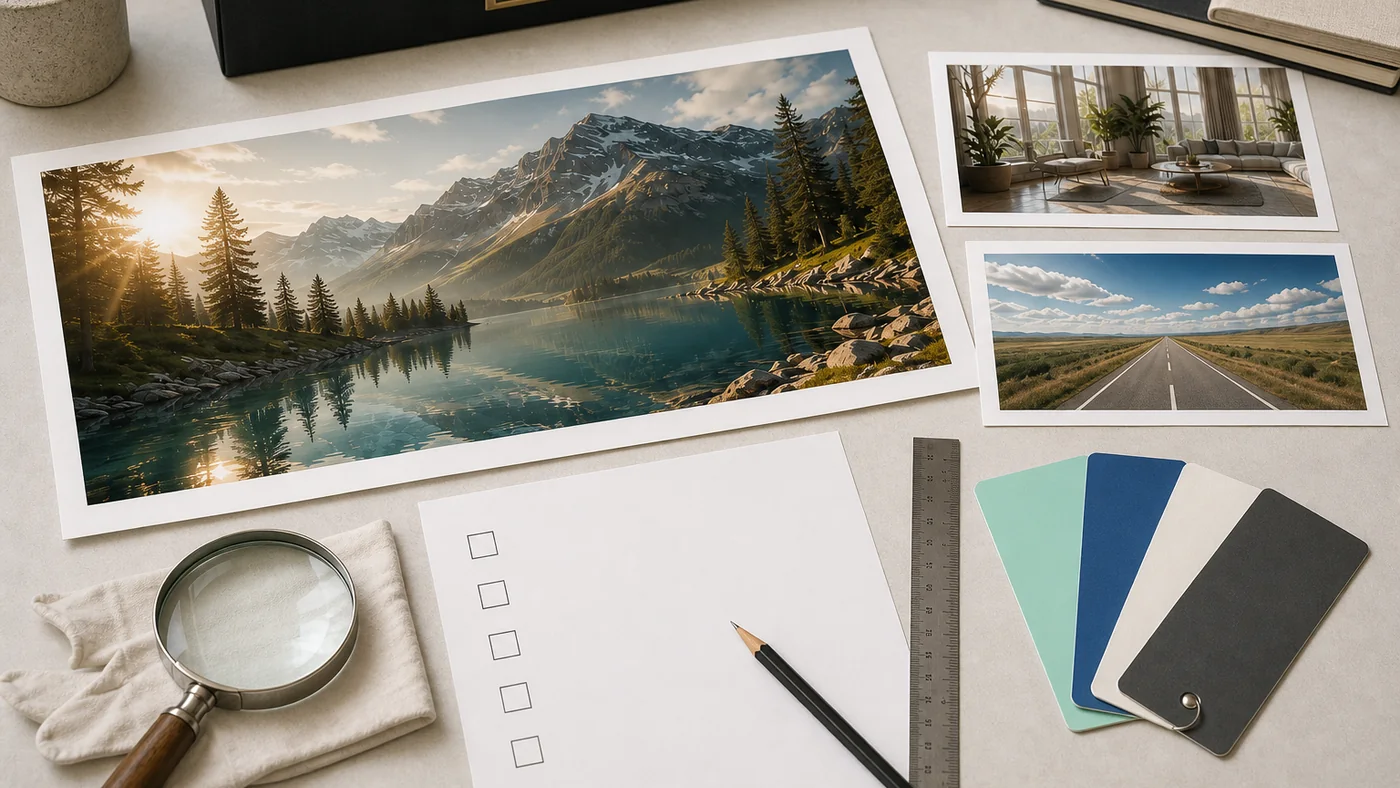
Treat the image as a draft
Generation can produce a polished surface before the underlying details are ready. Commercial review begins by separating aesthetic approval from production approval. An image may fit the campaign mood and still contain inaccurate products, unlicensed marks, misleading context, or technical artifacts.
Assign a reviewer who was not responsible for choosing the favorite result. Fresh eyes catch details that prompt authors learn to overlook.
Confirm the intended use
Record where the image will appear, how long it will run, which regions will see it, and what claim it supports. A private mood board and a paid international campaign carry different risk.
Check the current terms of the model, API provider, platform, and any source material used in the prompt. Terms can change, and generated output rights do not automatically clear third-party trademarks, copyrighted characters, publicity rights, or regulated claims.
Inspect for third-party material
Zoom through the entire frame. Look for logos, packaging, artwork, distinctive product shapes, uniforms, signs, recognizable people, and landmarks. A model may invent a mark that is close enough to cause confusion.
If the prompt names a living artist, real person, or protected brand, involve the appropriate legal or rights reviewer rather than treating style similarity as a purely visual choice.
Check factual and product accuracy
If the image shows a real product, service, location, or process, compare it with verified sources. Confirm colors, features, dimensions, safety equipment, and usage context. Do not let an attractive image imply a capability the product does not have.
Health, finance, science, and news-like visuals deserve heightened review. Avoid using synthetic imagery as evidence.
Complete a visual quality pass
Review at final output size and at 200% zoom:
- anatomy, faces, and hands;
- reflections, shadows, and contact points;
- repeated or merged objects;
- text, symbols, and background signage;
- edges around hair, glass, smoke, and transparent material;
- compression, banding, and oversharpening;
- crop safety for each placement.
Fixing a visible artifact is not merely cosmetic. Artifacts can reduce trust and change the meaning of the scene.
Decide whether disclosure is needed
Disclosure should be considered when a realistic synthetic image could change a viewer’s understanding of an event, person, product, or result. Follow applicable platform rules and local requirements. Use plain language near the image when context is material.
Preserve a review record
Keep the final prompt, output, provider/model, date, edits, source references, approvals, and disclosure decision. This record supports future corrections and helps teams reuse a safe process rather than reinventing it.
A final release checklist
Before publishing, confirm that the team can answer yes to each question:
- Does the image match the approved claim and context?
- Have identifiable people, brands, and protected material been reviewed?
- Are product and factual details accurate?
- Are technical artifacts resolved at final size?
- Is any required disclosure clear?
- Are provider terms and project records current?
For mockup-specific issues, see Creating Product Mockups with AI.
More from the journal
View all articles →
Prompting
Writing Better Prompts for Grok Imagine
A practical framework for describing subject, setting, light, composition, and mood without burying the idea.
Read article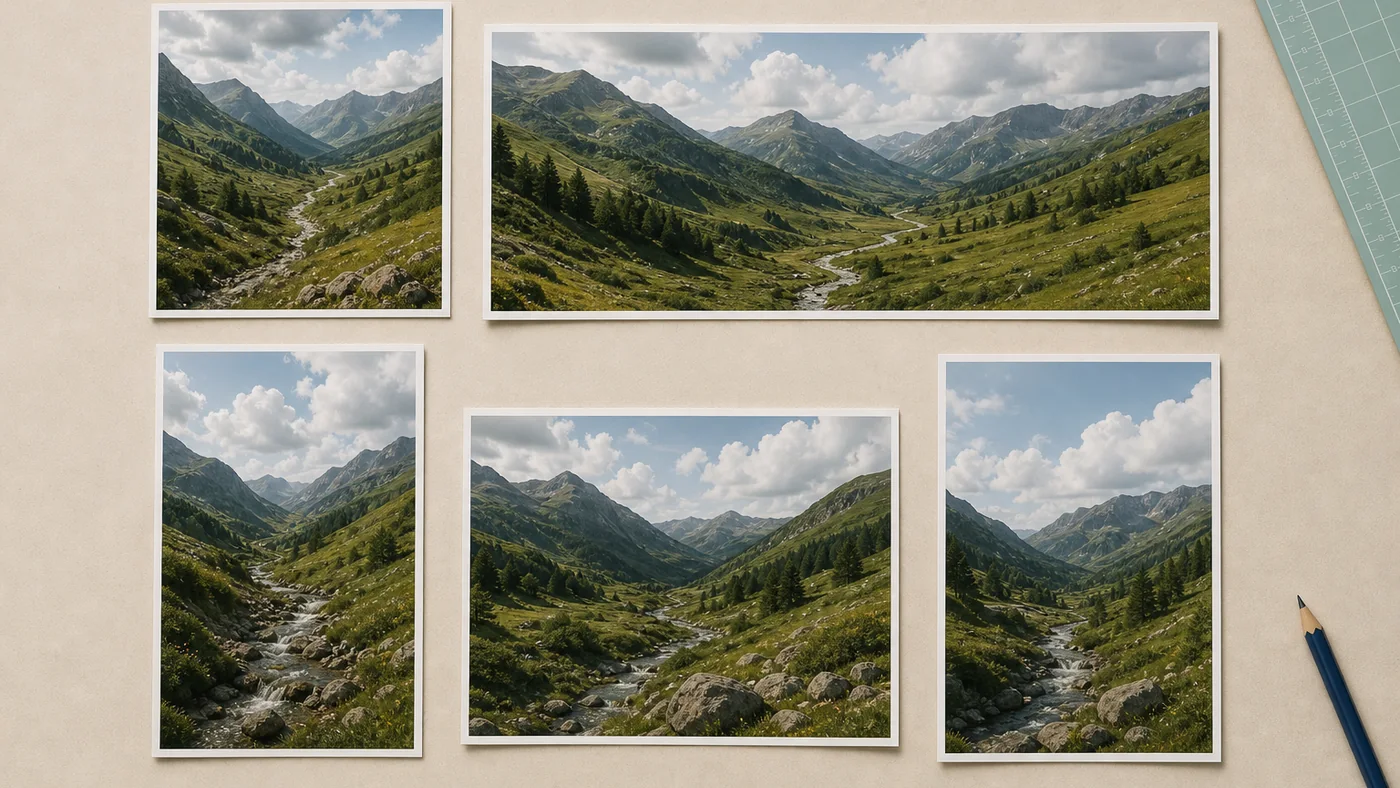
Composition
Choosing the Right AI Image Aspect Ratio
Match the canvas to the story, platform, and composition before you generate.
Read article
Technique
Lighting and Composition Terms for AI Prompts
A plain-English field guide to the visual terms that make prompts more precise.
Read article