Prompting
Writing Better Prompts for Grok Imagine
A practical framework for describing subject, setting, light, composition, and mood without burying the idea.
Start with the subject
The subject is the reason for the image. Name it clearly before adding style words, camera language, or atmosphere. “A bicycle” gives the model very little to organize; “a weathered touring bicycle leaning against a pale stone wall” establishes an object, condition, action, and relationship.
Start with four questions:
- What should a viewer notice first?
- What is that subject doing?
- Which details make it recognizable?
- What should remain outside the frame?
Specific does not mean exhaustive. Two or three identifying details usually guide the model better than a long inventory. If a detail does not change the picture, remove it.
Build the scene in layers
Once the subject is stable, add context in an order the eye can follow. A useful sequence is subject → setting → light → composition → mood → finish. That sequence keeps the visual idea near the front instead of burying it beneath modifiers.
Consider this progression:
- Subject: a ceramic teapot and two cups
- Setting: on a linen-covered breakfast table beside an open window
- Light: soft early-morning light from the left
- Composition: quiet three-quarter view with generous negative space
- Mood: unhurried, tactile, calm
- Finish: natural editorial photography, realistic materials
Each layer has a job. Setting explains where objects belong. Light establishes time and dimension. Composition decides what dominates. Mood aligns color, contrast, and gesture. Finish describes the intended visual medium.
Prompt anatomy example
| Layer | Question to answer | Example |
|---|---|---|
| Subject | What is the main idea? | A lone hiker in a yellow rain shell |
| Setting | Where does it happen? | On a rocky ridge above an alpine lake |
| Light | What defines the time and form? | Low sunrise light after rain |
| Composition | How should it be framed? | Wide view, hiker in the lower third |
| Mood | What should it feel like? | Quiet, expansive, optimistic |
The example is detailed, but every phrase changes something visible. That is a useful test for any prompt.
When fewer words work better
Long prompts can create contradictions. “Minimal,” “ornate,” “soft,” “high contrast,” and “evenly lit” may pull the result in different directions. When an image feels confused, do not automatically add more words. Find the competing instructions and choose the one that supports the central idea.
Prioritize nouns and relationships over a stack of adjectives. “A red chair beside a tall window” is easier to arrange than “an amazing, beautiful, elegant, cinematic red chair.” Concrete spatial language—behind, beside, centered, near the lower edge—often matters more than enthusiasm.
A reusable prompt template
Use this template as a starting point, then remove any bracket that does not help:
[subject doing something] in [setting], [time of day and light],
[composition and camera position], [important material or color details],
[mood], [visual medium or finish].
For a product scene:
A cobalt glass skincare bottle on pale limestone, indirect window light
from the upper left, close three-quarter product view, subtle water droplets,
clean negative space on the right, calm premium editorial photography.
For an illustration:
A small red fox reading beneath an old oak tree, late-summer meadow,
high viewpoint with a winding path in the background, warm muted palette,
gentle storybook gouache illustration with visible paper texture.
Review before you generate
Read the prompt once as a visual production brief. Check whether the subject, setting, and light can exist together. Look for missing relationships: if there are several objects, have you explained which one leads and where the others sit? Remove words that simply repeat “high quality.”
Then review the output rather than assuming it is ready. Inspect hands, text, reflections, repeated objects, product details, logos, background faces, and anything important to accuracy. Generation produces a draft; judgment turns the draft into useful work.
Our guide to lighting and composition terms can help when you know what looks wrong but do not yet have the vocabulary to describe it.
A calm conclusion
Better prompts come from structure and intention. Start with the subject, build the scene in layers, and refine only the variables that matter. A clear prompt is not the longest prompt. It is the one where every word earns its place.
More from the journal
View all articles →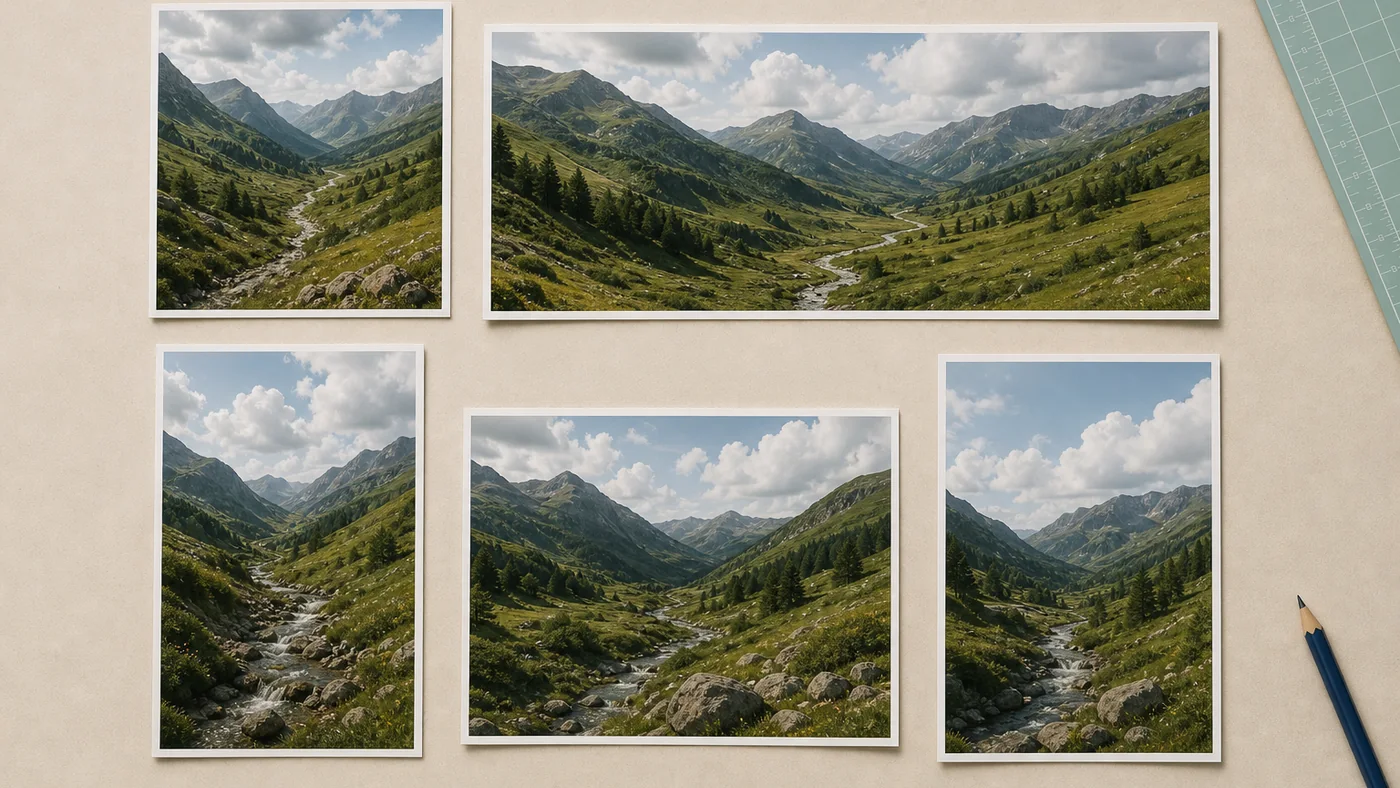
Composition
Choosing the Right AI Image Aspect Ratio
Match the canvas to the story, platform, and composition before you generate.
Read article
Technique
Lighting and Composition Terms for AI Prompts
A plain-English field guide to the visual terms that make prompts more precise.
Read article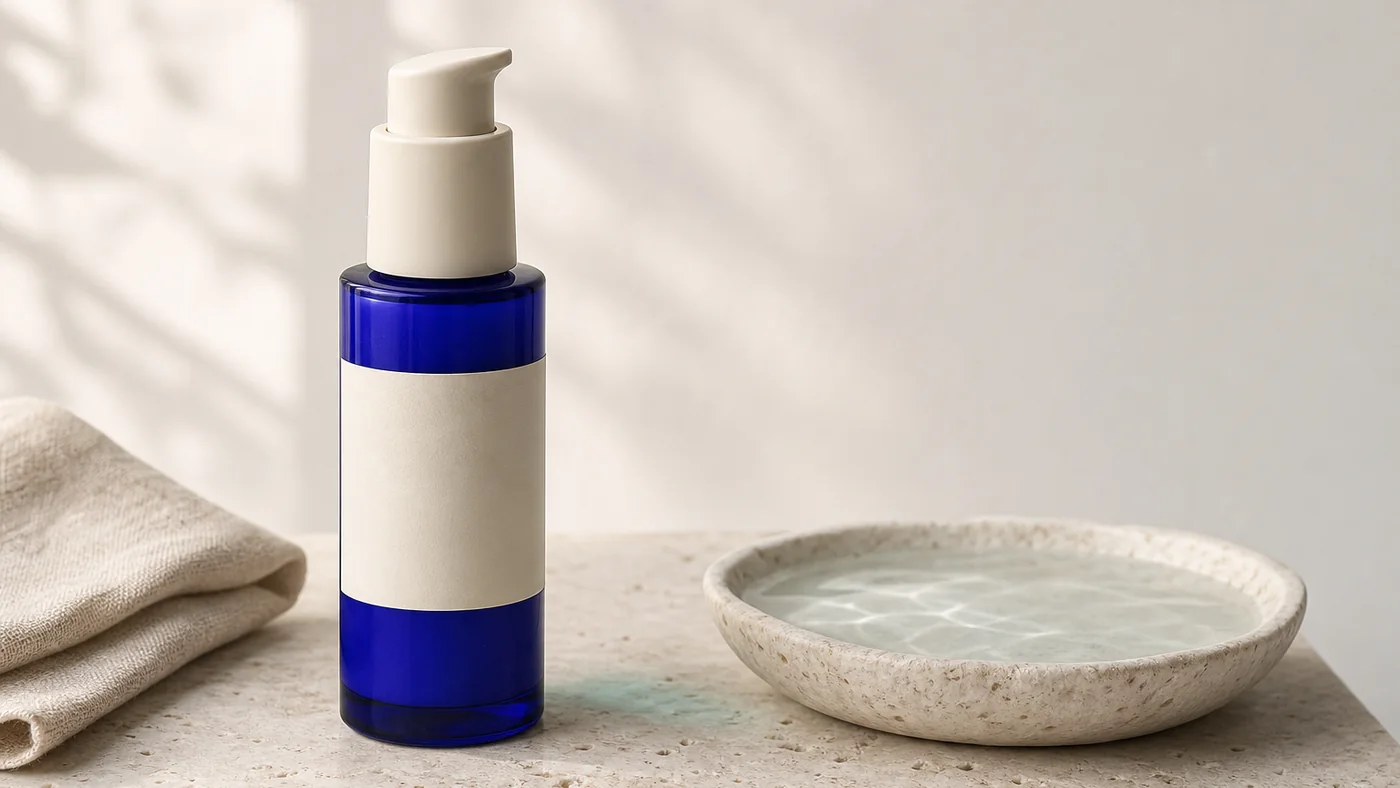
Workflow
Creating Product Mockups with AI
Plan believable context, materials, camera angles, and review checks for product concepts.
Read article