Technique
Lighting and Composition Terms for AI Prompts
A plain-English field guide to the visual terms that make prompts more precise.
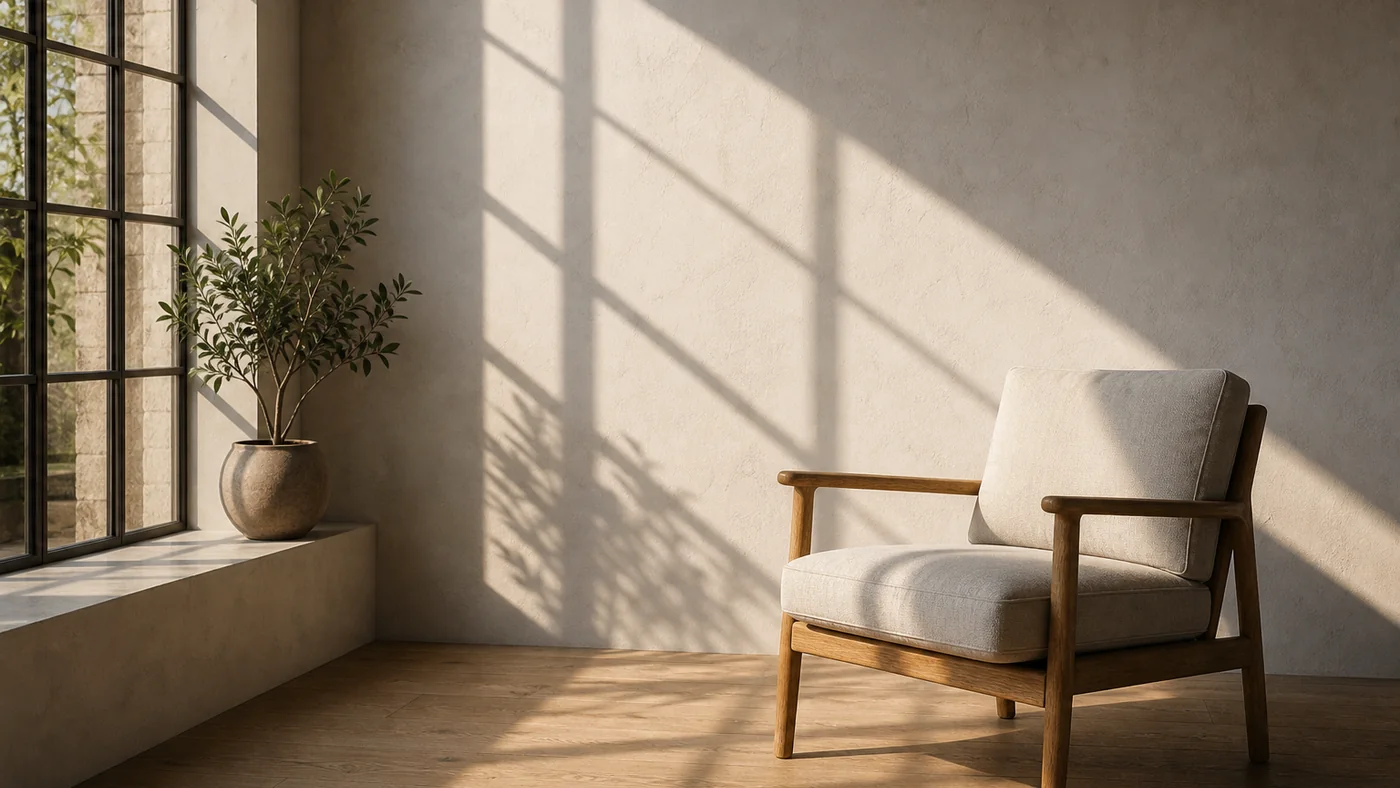
Describe light by source and direction
“Beautiful lighting” is subjective. “Soft window light from camera left” describes something the model can arrange. A useful lighting phrase names the source, direction, hardness, and sometimes color.
- Source: window, overcast sky, desk lamp, neon sign, late sun.
- Direction: front, side, back, overhead, low angle.
- Quality: soft, hard, diffused, dappled, hazy.
- Color: neutral daylight, warm tungsten, cool blue hour.
Combine only the variables that matter. “Diffused northern window light from the left” is often enough for a quiet interior.
Hard and soft light change the story
Hard light creates crisp shadows, sharper texture, and stronger graphic shapes. It can make a midday street, product photograph, or architectural scene feel direct and energetic. Soft light creates gradual transitions and often feels calm, intimate, or forgiving.
Neither is automatically more realistic. The choice should support the subject. A polished metal object may need controlled highlights; a portrait may benefit from a broad soft source; a dramatic landscape may depend on low hard light revealing the terrain.
Composition terms that earn their place
| Term | What it changes | Good use |
|---|---|---|
| Close-up | Fills the frame with detail | Materials, food, expressions |
| Wide shot | Shows subject within context | Landscapes, rooms, narratives |
| Eye level | Feels direct and natural | Portraits, documentary scenes |
| Low angle | Gives height and presence | Architecture, products, heroes |
| Overhead | Turns objects into a graphic arrangement | Food, tools, flat lays |
| Leading lines | Guides attention through the frame | Roads, tables, hallways |
| Negative space | Creates a quiet area around the subject | Editorial layouts and copy space |
Do not pack every term into one prompt. Choose a camera position, a framing distance, and one organizing principle.
Use depth deliberately
Images feel more spatial when the prompt distinguishes foreground, middle ground, and background. A simple phrase such as “blurred wildflowers in the foreground, cyclist in sharp focus at mid-distance, pale hills behind” gives each layer a role.
Depth of field describes which distances appear sharp. “Shallow depth of field” isolates a subject but can hide useful environment. “Deep focus” keeps several layers readable. Use it when the scene, not just the subject, matters.
Color temperature is not a mood by itself
Warm light can feel welcoming, but it can also suggest heat, age, or tension. Cool light can feel clean, distant, quiet, or nocturnal. Pair color temperature with context instead of relying on a cliché.
Mixed lighting—such as warm interior light against a blue evening window—creates contrast and depth. Explain which source should dominate so the result does not become an evenly colored wash.
A useful lighting prompt pattern
[primary source] from [direction], [soft or hard] quality,
[secondary practical light if needed], [shadow character],
[overall exposure or time-of-day note].
Example: “Large diffused window light from the right, soft-edged shadows across the desk, a dim warm reading lamp in the background, balanced morning exposure.”
Diagnose rather than decorate
When a result feels flat, ask whether the light has a direction. When it feels chaotic, ask whether too many objects compete. When the subject disappears, strengthen hierarchy with framing, contrast, or negative space. Precise diagnosis leads to a smaller, more effective prompt revision.
Apply these terms inside the structured framework in Writing Better Prompts for Grok Imagine.
More from the journal
View all articles →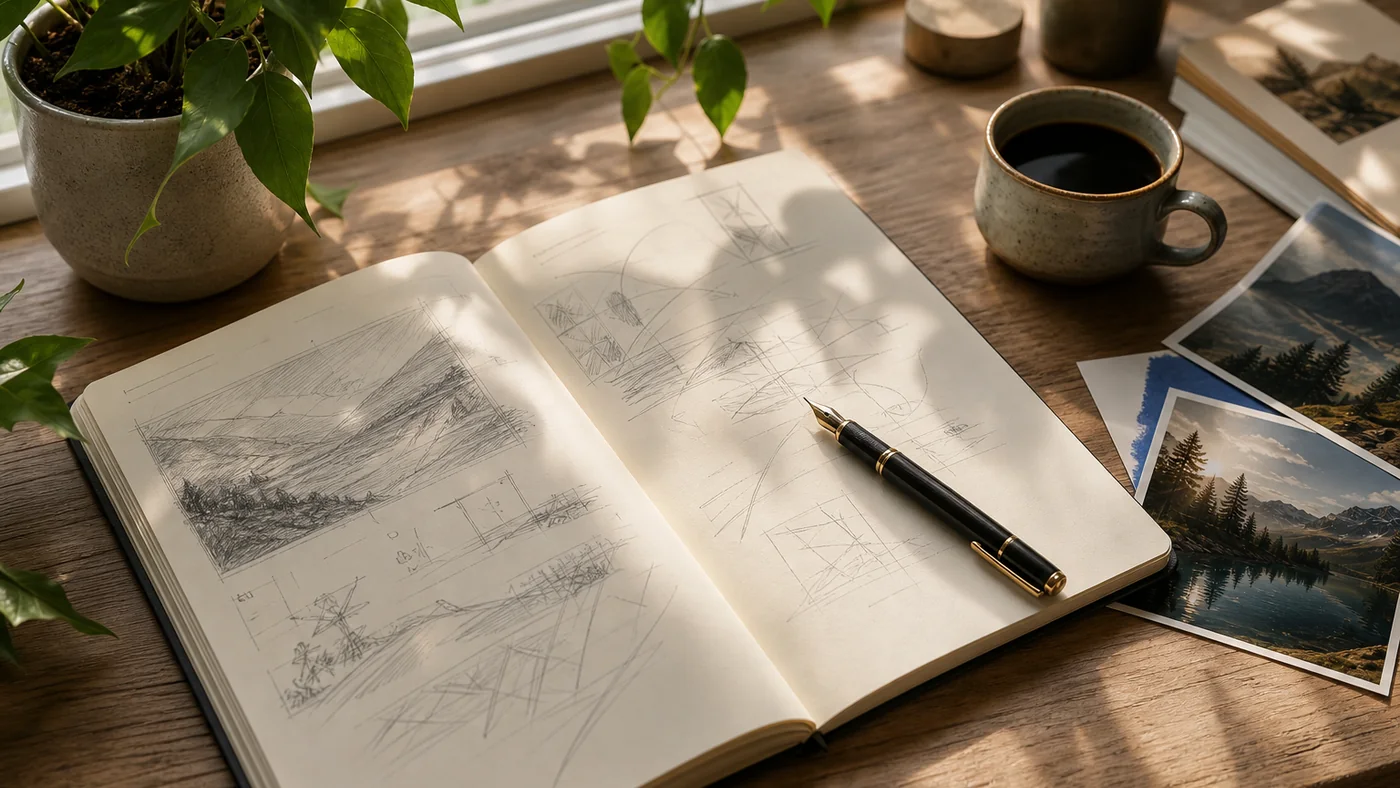
Prompting
Writing Better Prompts for Grok Imagine
A practical framework for describing subject, setting, light, composition, and mood without burying the idea.
Read article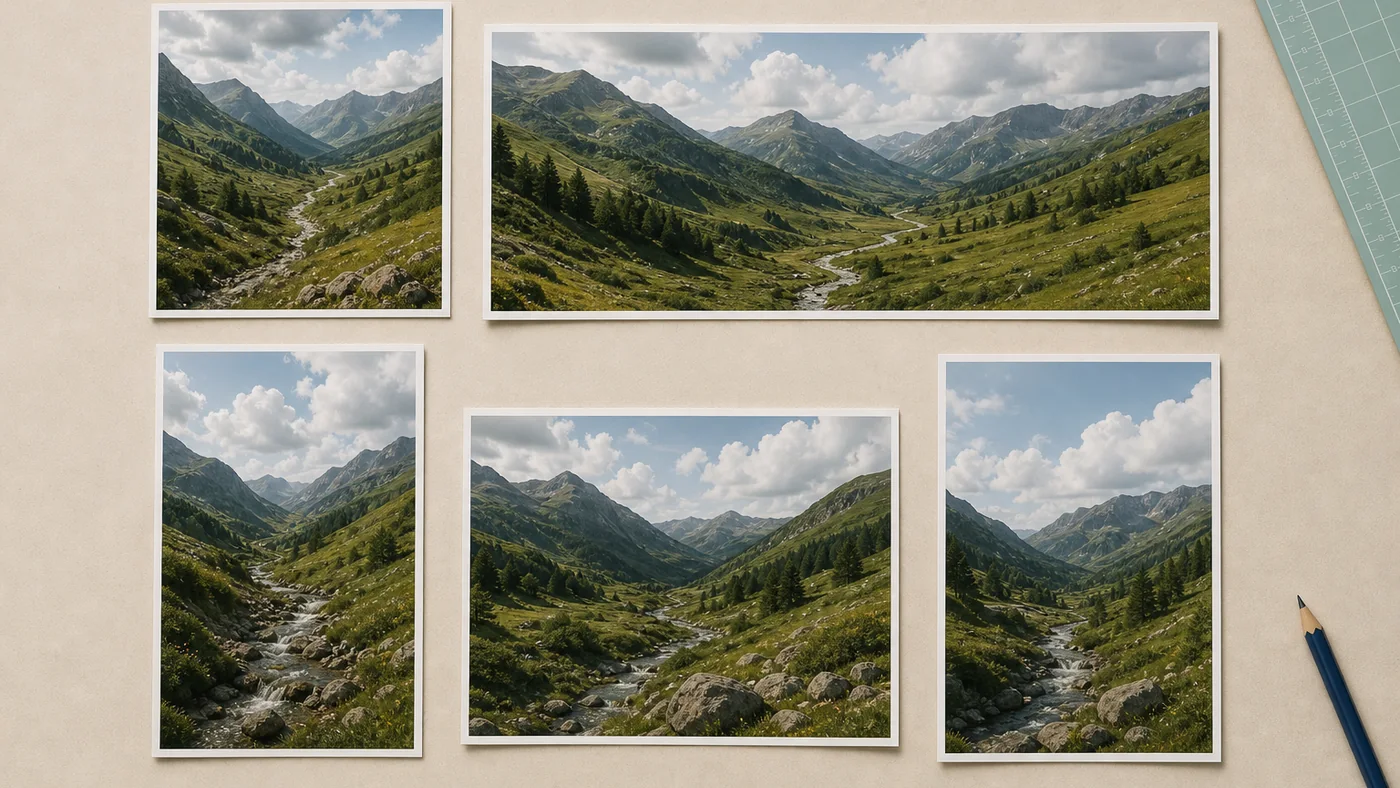
Composition
Choosing the Right AI Image Aspect Ratio
Match the canvas to the story, platform, and composition before you generate.
Read article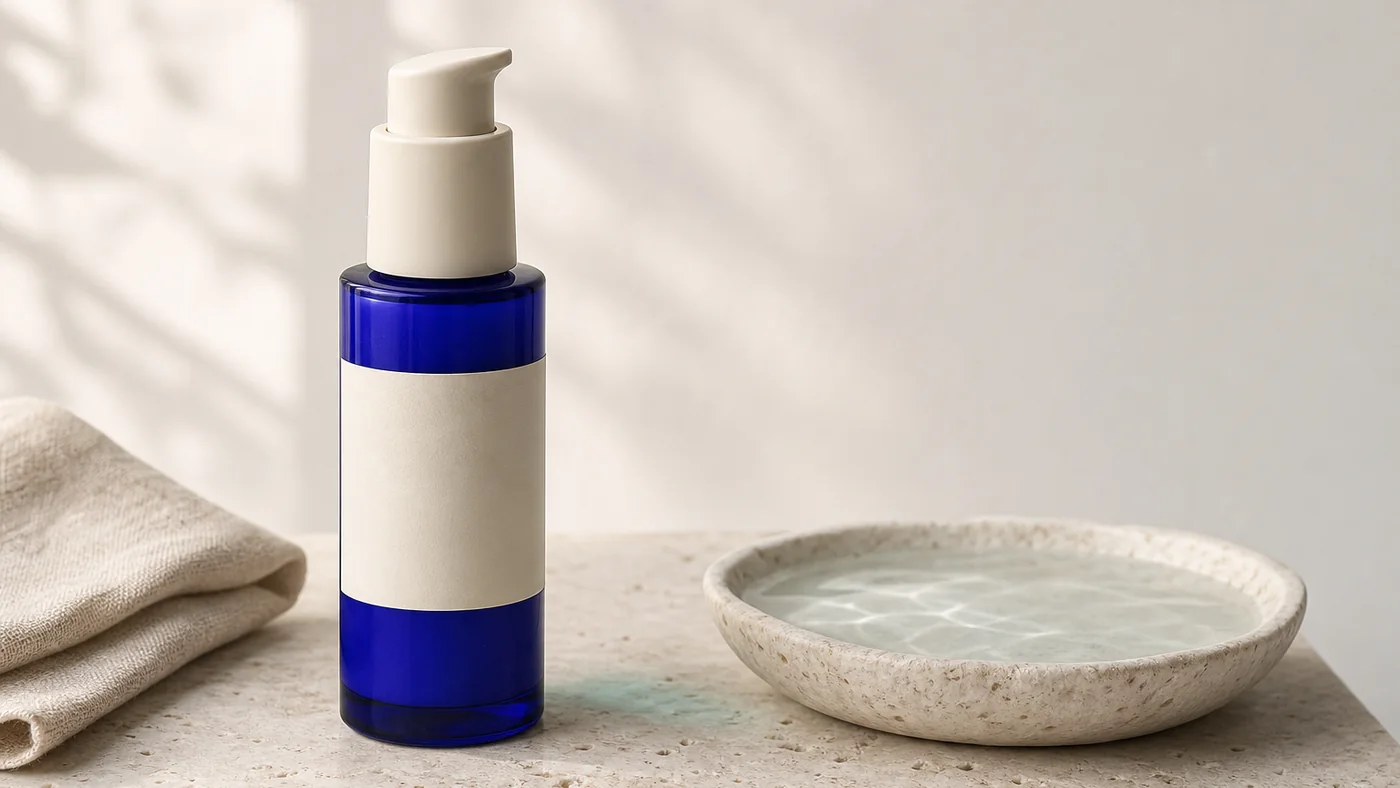
Workflow
Creating Product Mockups with AI
Plan believable context, materials, camera angles, and review checks for product concepts.
Read article